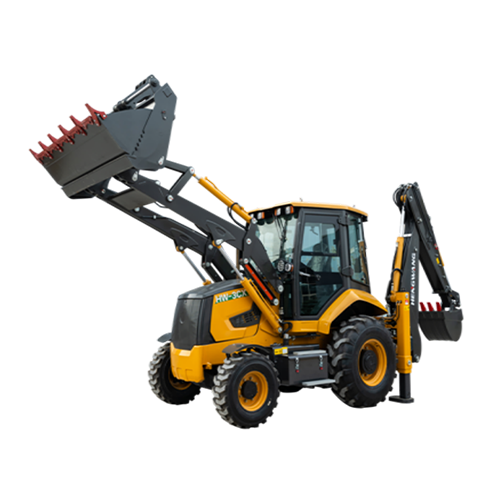
The climbing capability of wheeled excavators is a critical concern for users. While these machines offer high mobility on flat terrain, their performance on slopes is inherently limited. Here are the key facts and solutions:
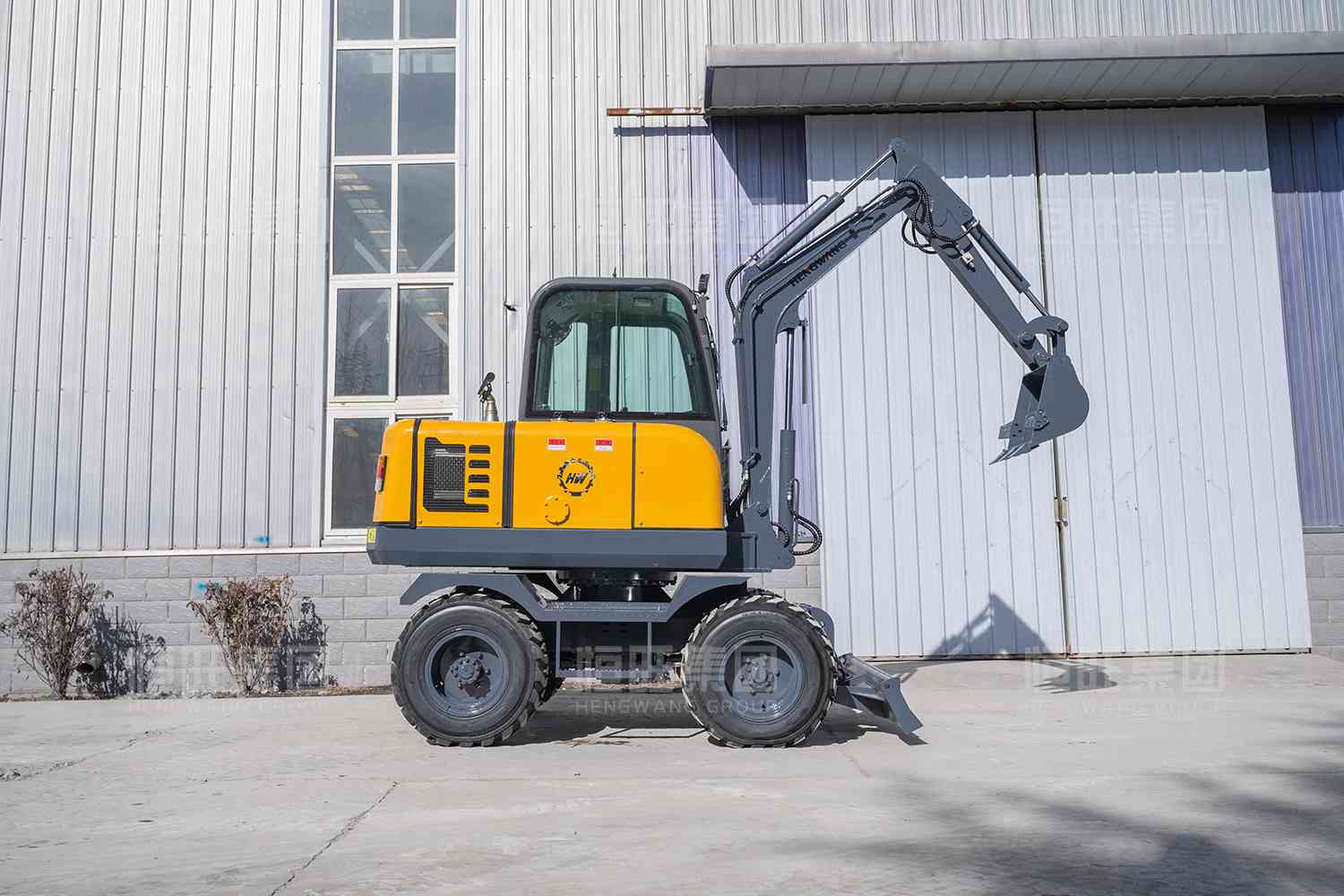
I. Gradeability Range
Standard Performance:
Ordinary wheeled excavators achieve a gradeability of 40%-60% (slope angle ≈22°-30°), primarily constrained by tire traction and longitudinal driving force
Enhanced Models:
Optimized models with reinforced powertrains and hydraulic systems can reach up to 59% (≈30°), nearing tracked-equipment performance
II. Performance Constraints
Tire Traction
Standard tires easily slip on loose slopes. Upgrading to off-road tires or anti-slip chains significantly improves grip
Power Matching
Insufficient Engine Power: Causes traction loss (e.g., 7-ton wheeled excavators require ≥50 kW)
Excessive Weight: Increases inertia, complicating braking on steep slopes
Hydraulic System Efficiency
Low-speed, high-torque hydraulic pumps dynamically distribute flow, enhancing stability during climbs
III. Safety Operation Protocols
Slope Limits:
>30° slopes are prohibited due to high rollover risks
Soft Ground Handling:
Tire sinkage is likely; pre-harden slopes if unavoidable
Essential Measures:
Deploy hydraulic outriggers to ensure stability
Face the slope directly and maintain uniform speed—avoid steering during ascent
Use the bucket to assist traction if wheels slip
Summary: Three Keys to Safe Slope Operation
For gentle slopes, wheeled excavators perform reliably. For steeper terrain, ensure:
Slope ≤30° + High-Traction Tires + Stabilized Outriggers
Regularly inspect the powertrain and tire conditions, and adhere to operational protocols to maximize safety. For frequent steep-slope work, prioritize models with gradeability ≥50%